
How to Prepare Your Home for a New Dog Transition
A smoother transition starts before the dog arrives. Think through decompression spaces, feeding routines, traffic flow, visitor expectations, and how much stimulation the household can keep low in the first week. A thoughtful setup gives a good match the best chance to settle well.
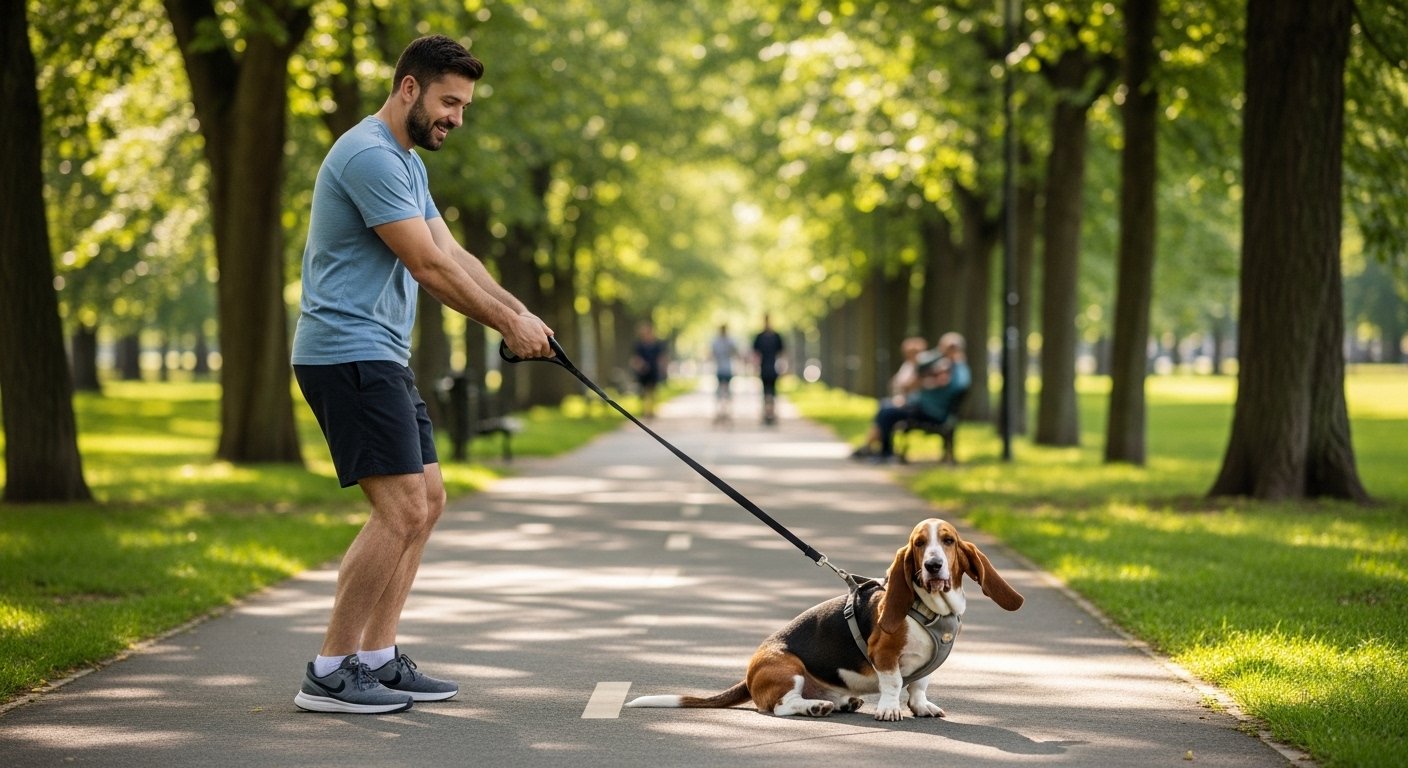

Preparing your home for a new dog
A smoother transition starts before the dog arrives. Think through decompression spaces, feeding routines, traffic flow, visitor expectations, and how much stimulation the household can keep low in the first week. A thoughtful setup gives a good match the best chance to settle well.
That is why compatibility-first guidance matters. Instead of making a decision around a single meeting or a broad label, you look at the rhythm the dog will be stepping into. You ask whether the household can support the dog’s needs day after day, not just during the first emotional rush.
For PackSense clients, these questions often sound like: Which dog fits a busy family schedule? Is a puppy realistic for our life right now? How much energy can we truly manage? Are we choosing a dog because it is right for us, or because it is simply the dog available in the moment?
What to think about before deciding
- Your actual weekday routine, not your idealized one.
- Noise level, visitors, kids, and whether the home stays quiet or busy.
- Exercise reality: what you consistently do, not what you hope to start doing.
- Emotional bandwidth for management, decompression, and transition support.
If you are looking for personalized help, that is where services like Dog Compatibility Consulting, Puppy Matchmaking, and Adult Dog Matchmaking come in. The goal is not to make the process feel heavier. It is to help the decision feel truer.